A clicking noise when you try to start your car is one of the most common no start complaints we hear at our shop. It is also one of the most frustrating. You turn the key or press the start button, you expect the engine to fire up, and instead you get one click or a rapid series of clicks and nothing else. In that moment, most drivers want the same answer. What does that sound actually mean, and how serious is it?
The good news is that a clicking noise often points toward a short list of likely causes. The less good news is that several different problems can create a similar sound, which is why guessing is not always the best path. A battery issue, a bad connection, a failing starter, or another electrical problem can all produce some version of clicking when the car refuses to start.
From our side of the shop, the clicking is helpful because it tells us the vehicle is trying to do something. The system is responding, but it is not getting the result it needs. Once we know which part of the starting process is failing, the repair becomes much clearer.
What The Clicking Noise Usually Means
When you try to start your car, the battery sends power through the starting system to the starter motor. The starter then turns the engine over so it can begin running on its own. If you hear clicking, it usually means the starter solenoid or another part of the system is engaging at least partway, but there is not enough power or connection quality to complete the job.
In simple terms, the car is trying to start. It just cannot follow through.
That is why clicking is different from total silence. Silence often points to a different type of electrical issue. Clicking usually means the system is getting some response but not enough to crank the engine normally.
A Weak Or Dead Battery Is The Most Common Cause
If we had to name the most common reason for clicking at startup, it would be a weak battery. Batteries can lose charge because they are old, because something was left on, because the vehicle has not been driven much, or because the charging system has not been doing its job properly.
When the battery has enough power to wake up some of the vehicle electronics but not enough to spin the starter strongly, clicking is a very common result. Sometimes it is one click. Sometimes it is a rapid click click click sound as the system keeps trying and failing.
A lot of drivers assume that if the dashboard lights still come on, the battery must be fine. That is not always true. It takes much less power to light up the dash than it does to crank the engine.
Corroded Or Loose Battery Connections Can Cause The Same Sound
A battery can be good and still fail to start the car if the connection at the terminals is poor. Corrosion, loose terminal clamps, or damaged battery cables can interrupt the flow of power enough to create clicking instead of normal cranking.
At our shop, we see this all the time. A driver expects the battery to be dead, but the real problem turns out to be heavy terminal corrosion or a loose connection that is stopping the power from moving the way it should.
This is one reason clicking should not automatically mean you need a new battery. The battery may be part of the problem, but the condition of the cables and terminals matters just as much.
A Failing Starter Can Also Be To Blame
If the battery and connections are in decent shape, the next big suspect is the starter itself. The starter motor and solenoid are what physically begin turning the engine. If the starter is worn out, sticking, or failing internally, the system may click but never actually crank.
Sometimes the clicking will be a single solid click instead of rapid repeated clicks. In many cases, that points more toward a starter issue than a completely weak battery, although proper testing is still the only way to know for sure.
Starter problems can develop gradually. A vehicle may crank a little slower for a while, occasionally fail and then start on the second try, or seem more troublesome when hot before it finally reaches the point of consistent failure.
A Bad Ground Connection Can Create Strange Starting Problems
Your battery and starting system rely on good ground connections as much as they rely on good positive power connections. If the ground path between the battery, engine, and chassis is compromised, the starter may not get the solid electrical path it needs to operate correctly.
This can create symptoms that look a lot like a weak battery or bad starter. The car clicks, the engine does not crank, and everything feels inconsistent.
Ground issues are easy to overlook, but they are very real, especially on older vehicles or cars that have seen corrosion, prior electrical repairs, or cable damage.
The Alternator May Be Part Of The Story Too
The alternator usually is not the reason the car clicks at the exact moment you try to start it. But it can still be part of the bigger story. If the alternator has not been charging the battery properly, the battery may become too weak to start the car after sitting.
In that case, the battery looks like the immediate problem, but the charging system is the reason the battery got weak in the first place. We never like to stop at just getting the car started again. If the battery is low, we also want to know why it got that way.
Different Clicking Patterns Can Point In Different Directions
The kind of clicking you hear can sometimes help narrow things down.
A few common patterns include:
- Rapid repeated clicking which often points toward a weak battery or poor connection
- One solid click with no crank which may suggest a starter or solenoid issue
- Clicking paired with dimming lights which often points toward battery or connection trouble
- Clicking after the car has been sitting for a while which may suggest battery drain or charging issues These patterns are helpful, but they are still clues, not conclusions. We always prefer proper testing over guessing based on sound alone.
Cold Weather And Sitting Too Long Make It Worse
A lot of clicking complaints show up after the vehicle has been sitting for days or when temperatures drop. That is because batteries lose strength with age and become more sensitive to cold or inactivity. A battery that barely gets by during normal use may finally give up enough to click instead of crank once the conditions get tougher. It’s especially common with spare vehicles, older batteries, or cars that only get driven on short trips.
What You Can Check Before Calling For Help
There are a few basic things a driver can look at safely before deciding what to do next.
You can check for:
- Obvious battery terminal corrosion
- Loose battery cable connections
- Headlights that are very dim or weak
- Whether the clicking is rapid or just a single click
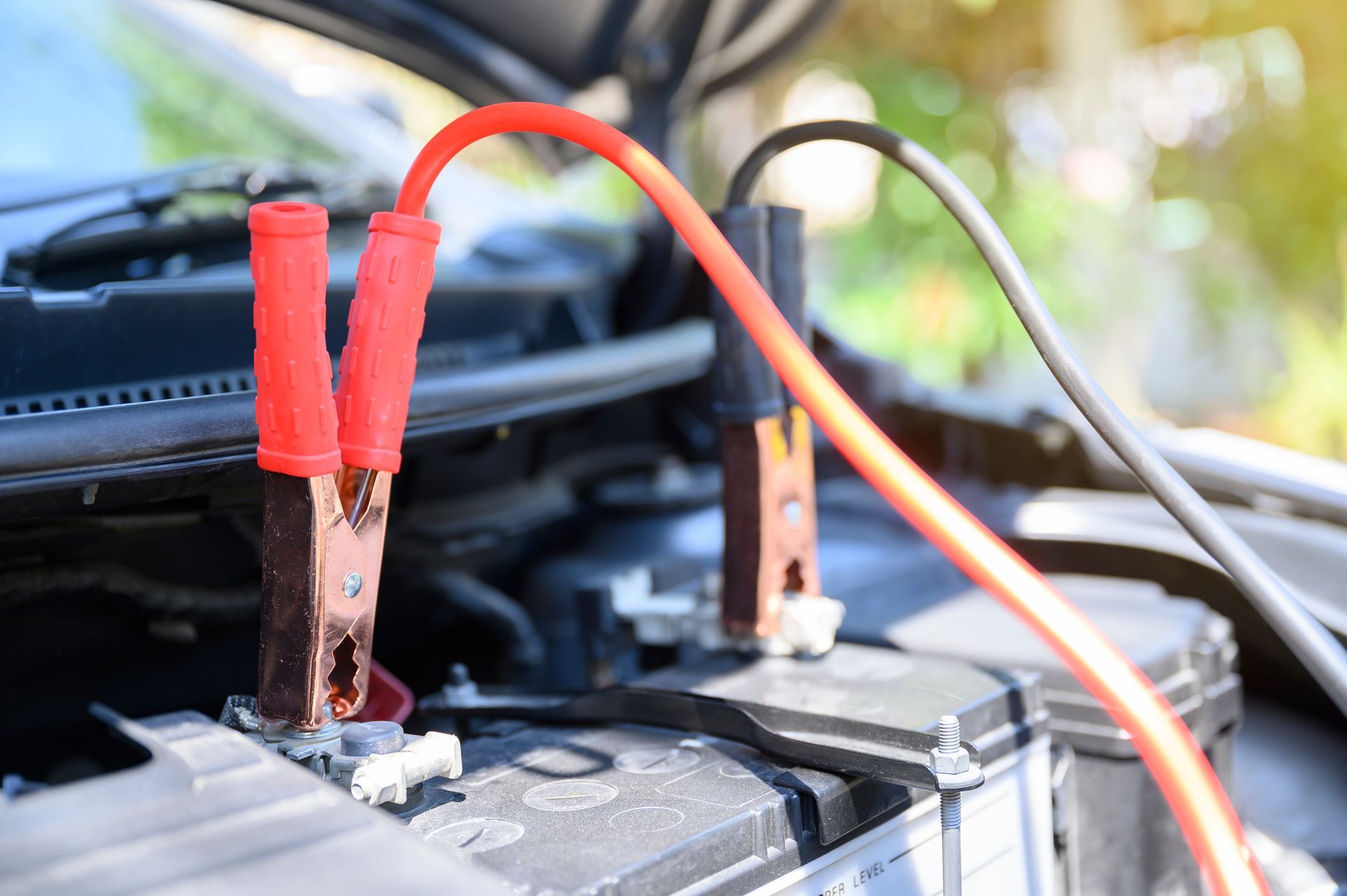
- Whether a jump start gets the car going
If a jump start works, the battery or charging system usually moves much higher on the suspect list. If a jump start does not help and the clicking stays the same, the starter or another connection issue becomes more likely.
When It Is Time To Stop Guessing
A clicking noise can come from more than one cause, and replacing parts at random is rarely the smartest or cheapest path. A new battery will not fix a bad starter. A new starter will not solve a loose battery cable. And cleaning terminals will not repair an alternator that is no longer charging.
That is why proper diagnosis matters so much. At our shop, we test the battery, inspect the terminals and cables, check the charging system, and evaluate starter operation so we can find the actual cause instead of hoping one guess solves it.
If your car is clicking instead of starting, bring it to
WNY One Stop Automotive in Tonawanda, NY. We can test the battery, inspect the cables, check the starter and charging system, and find out exactly what is keeping your vehicle from firing up.
Call us today or stop by to schedule a starting system inspection.