Most drivers remember one or two maintenance items. Oil changes, tire pressure, and maybe brakes when they start making noise. The rest of the car tends to stay out of sight until something leaks, squeaks, smells hot, or turns on a warning light.
That is where the gaps happen.
A good auto maintenance routine is not only about doing the obvious services. It is about checking the systems that quietly wear in the background before they create a repair you were not planning for.
Oil Changes Are Only The Starting Point
Oil service is important, but it is not the whole maintenance plan. Fresh oil protects bearings, timing components, camshafts, and turbochargers on equipped engines. A quality filter matters, too, because it prevents debris from circulating through the engine.
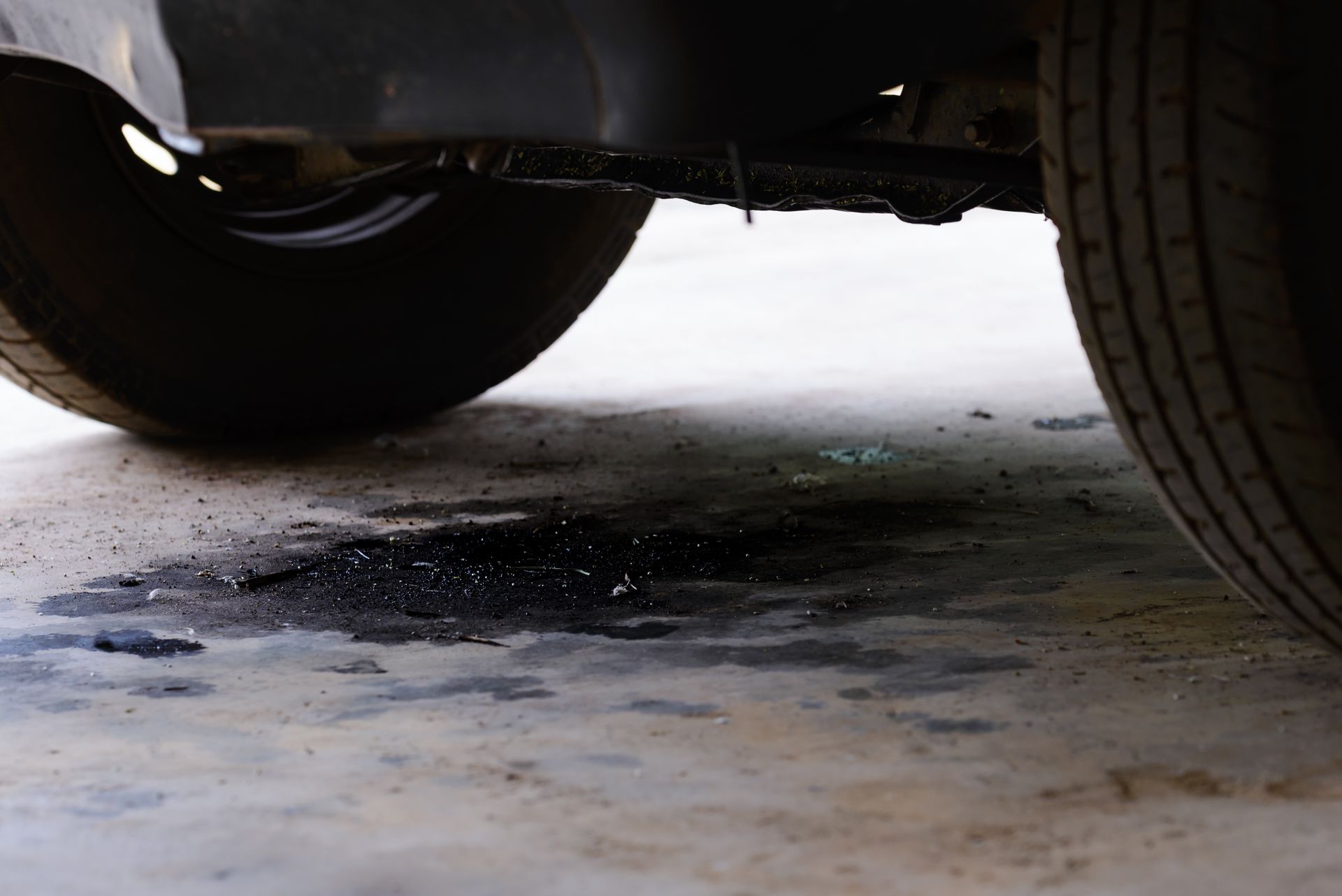
Still, the oil change visit should also be a chance to look around. Is the engine using oil between services? Is there seepage near the filter housing or valve cover? Does the oil smell like fuel? Is the level lower than expected?
Those small clues tell us whether the engine is being protected well or starting to show a pattern that needs attention.
Fluids Get Forgotten Until They Cause Symptoms
Engine oil gets most of the attention, but other fluids do heavy work too. Coolant controls heat. Brake fluid transfers pedal force. Transmission fluid handles pressure, heat, and shifting. Power steering fluid on equipped vehicles keeps the steering assist working quietly.
Fluids do not need to be empty to create trouble. Old coolant can lose protection. Brake fluid can absorb moisture. Transmission fluid can darken and smell burnt. Low power steering fluid can make the pump whine.
During an inspection, one of our technicians can check the fluid level, color, smell, and obvious leak points. That quick look can catch problems before the system starts complaining from the driver’s seat.
Tires Tell You More Than Tread Depth
A tire can have tread left and still be telling you something is wrong. Inside-edge wear can point to alignment trouble. Cupping can point to worn shocks or struts. Feathering can point to toe alignment issues. One tire wearing faster than the rest usually has a reason.
Tire pressure also deserves more attention than it gets. Low pressure builds heat and wears the shoulders. Overinflation can make the ride harsher and change how the tire contacts the road. A TPMS light helps, but it is not a substitute for regularly checking pressures.
If tires are wearing unevenly, rotation alone will not solve the problem. The cause needs to be found before a new set gets worn the same way.
Brake Checks Should Happen Before Noise
Waiting for brake noise is a common habit, but it is not the best one. By the time the brakes grind, the pads may already be worn down far enough to damage the rotors. That is when a simple brake service can become more expensive.
Brake maintenance extends beyond pad thickness. Calipers need to be released correctly. Hardware needs to hold the pads in place. Rotors need a usable surface. Brake fluid needs to stay in good condition.
A squeal, vibration, hot smell, soft pedal, or pull while braking is useful information. But even without symptoms, brake checks during regular maintenance help you plan the repair before the brakes choose the timing.
Belts, Hoses, And Filters Age Quietly
Rubber parts do not last forever. Belts can crack, glaze, or start squealing. Hoses can swell, soften, leak, or collapse internally. Heat speeds up the aging process, and small leaks can accelerate the breakdown of rubber.
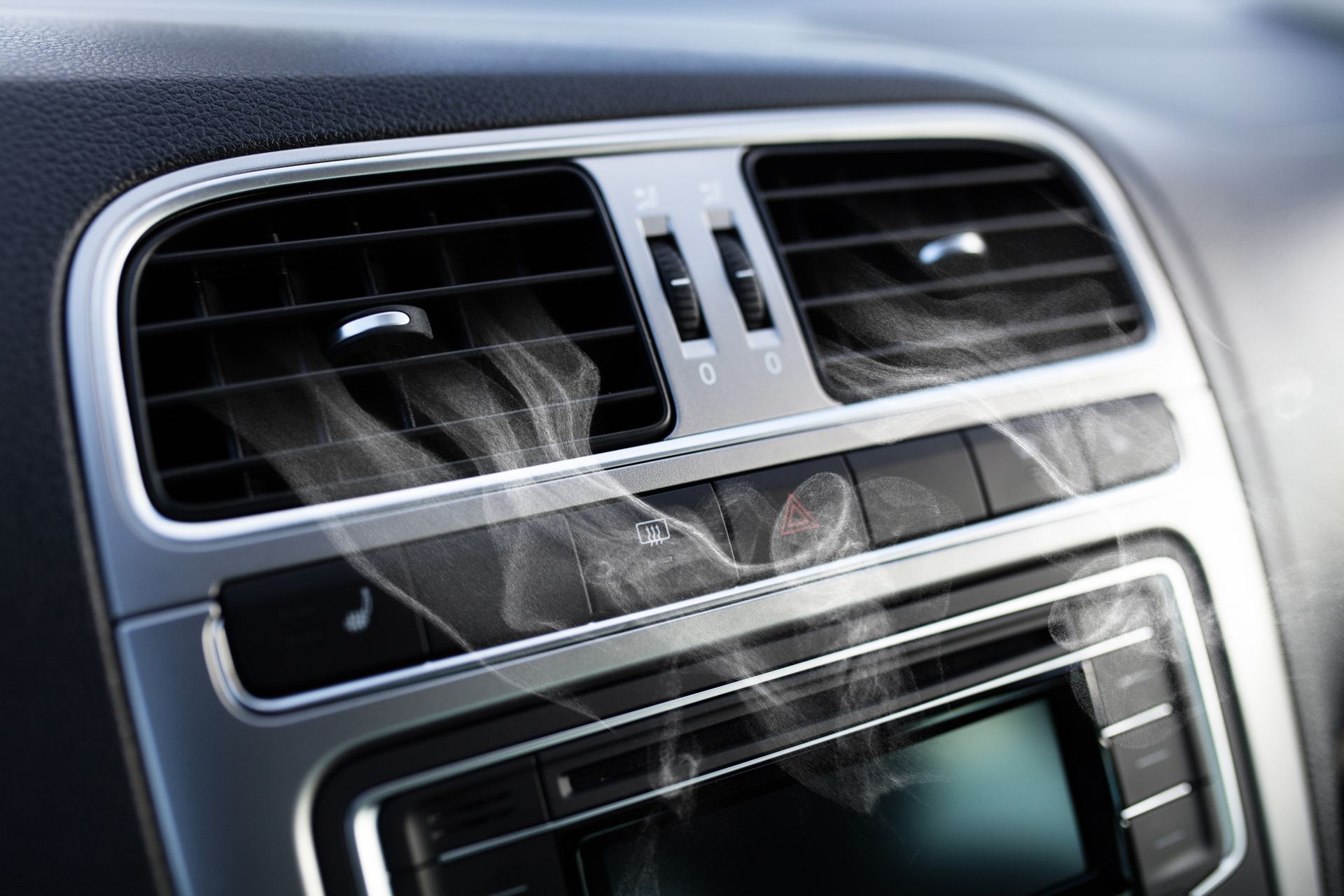
Filters are the same way. A dirty engine air filter can affect airflow. A clogged cabin filter can make the A/C feel weak and leave a stale smell from the vents. These are not dramatic parts, but they affect how the car feels every day.
We look at these items because they are easy to miss until they fail. A cracked belt or soft coolant hose can turn a normal drive into a tow.
Battery And Charging System Checks Save Bad Mornings
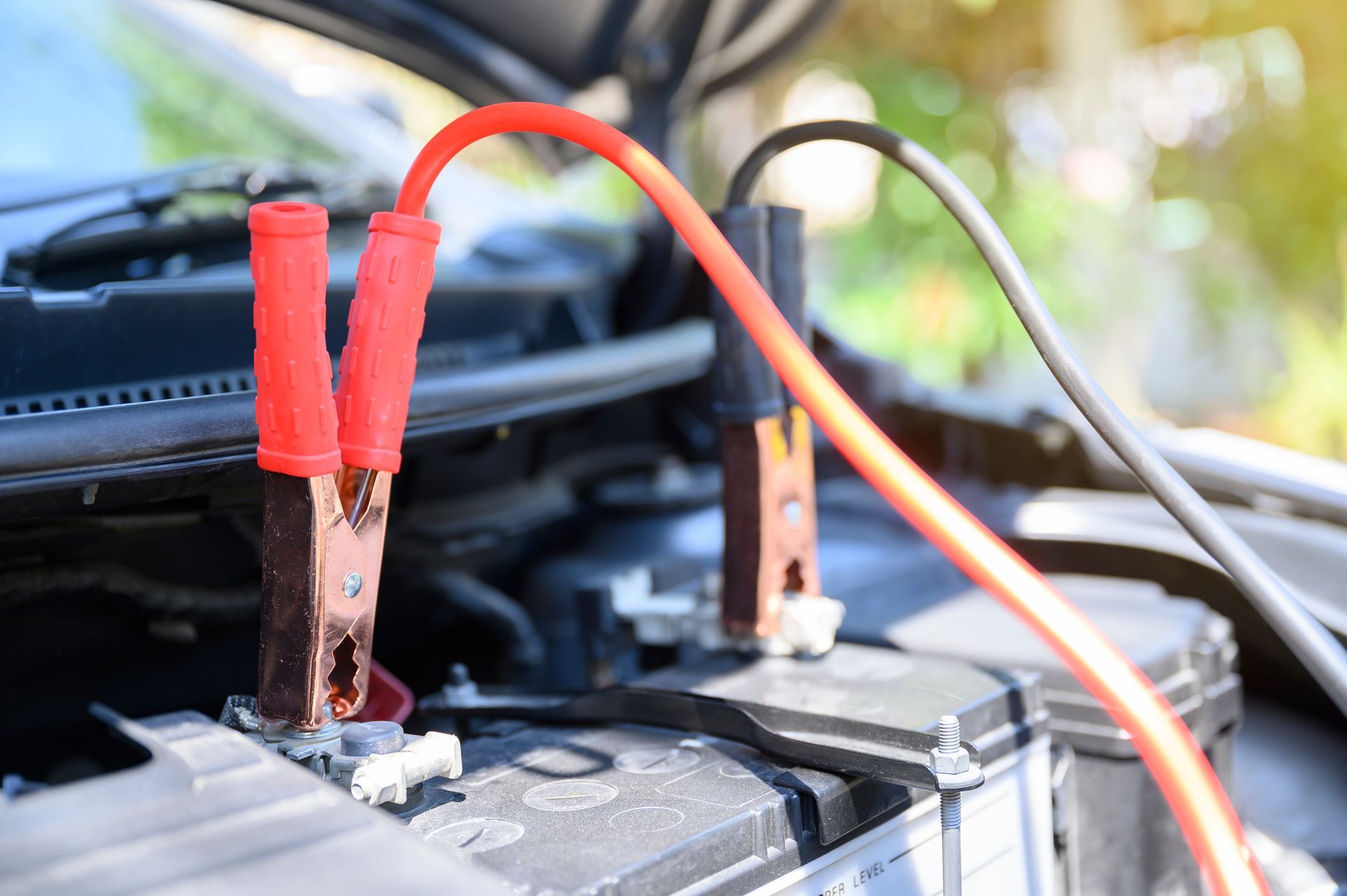
A weak battery rarely gives you a polite appointment reminder. It usually shows up as a slow crank, a click, dim lights, or a car that needs a jump when you are already late.
The battery is only part of the story. The alternator, cables, terminals, grounds, and belt all affect starting and charging. Corrosion at the terminals can make a good battery act weak. A failing alternator can drain a new battery.
Testing the system before it fails is simple compared with being stuck in a parking lot. If the vehicle cranks slower than it used to, that is the time to check it.
Build A Maintenance Routine Around Your Driving
The best maintenance routine matches how the vehicle is used. Short trips, stop-and-go traffic, winter driving, road salt, heavy loads, and long idle time all change how parts wear. A car used mostly for short errands may need a different plan than one used for steady highway miles.
Start with the owner’s manual, then adjust for real life. Track oil changes, tire rotations, fluid services, brake measurements, battery age, and any leaks or noises previously mentioned. That history helps prevent missed services and repeat surprises.
Get Auto Maintenance In Tonawanda, NY, With WNY One Stop Automotive
If your maintenance routine only covers oil changes and the occasional tire check, WNY One Stop Automotive in Tonawanda, NY, can check the systems that often get overlooked.
Schedule a visit and get a clearer plan for the services your car actually needs most.