Independence Day travel can be a lot of fun, but it can also be one of the more chaotic driving times of the summer. Roads get crowded, traffic patterns get unpredictable, people stay out later than usual, and a lot of vehicles are heading to the same places at the same time. Add in heat, long drives, fireworks traffic, and holiday distractions, and you have a driving environment that deserves a little more planning than a normal weekend.
We think holiday driving goes better when drivers prepare for two things at once: the condition of the vehicle and the reality of the road. A car that is low on tire pressure or struggling with weak brakes is already a problem. Combine that with stop-and-go traffic, late-night driving, or impatient drivers around a holiday weekend, and a small issue can get stressful fast.
The good news is that a few smart habits can make Independence Day road travel safer, calmer, and easier on both you and your vehicle.
Expect More Traffic Than A Normal Summer Weekend
A lot of drivers make the mistake of treating Independence Day travel like any other warm-weather drive. It usually is not. More people are on the road, and many of them are traveling at the same times of day. That means heavier traffic, more lane changes, more sudden braking, and more chances for drivers to make rushed decisions.
One of the best things you can do is mentally prepare for the pace to be slower than you want. If traffic builds, the safest response is patience, not trying to “make up time” with more aggressive driving. Holiday traffic tends to punish impatience quickly.
From our perspective, one of the biggest safety advantages you can give yourself is simply leaving enough room in your schedule that you do not feel like every slowdown is a crisis.
Leave More Following Distance Than Usual
This matters all the time, but it matters even more during holiday travel. On busy roads, you are much more likely to run into sudden slowdowns, distracted drivers, and clusters of cars braking harder than expected.
A little extra following distance gives you more time to react, brake more smoothly, and avoid getting pulled into chain-reaction stops. It also reduces stress because you are not constantly driving on edge, trying to anticipate every move the car in front of you might make.
This is especially important if:
- You are driving in heavy traffic
- The road is wet
- Your car is loaded with passengers or cargo
- You are traveling after dark
Holiday traffic can go from flowing normally to crawling in a hurry. Space is what gives you options.
Make Sure Your Car Is Ready Before The Holiday Rush
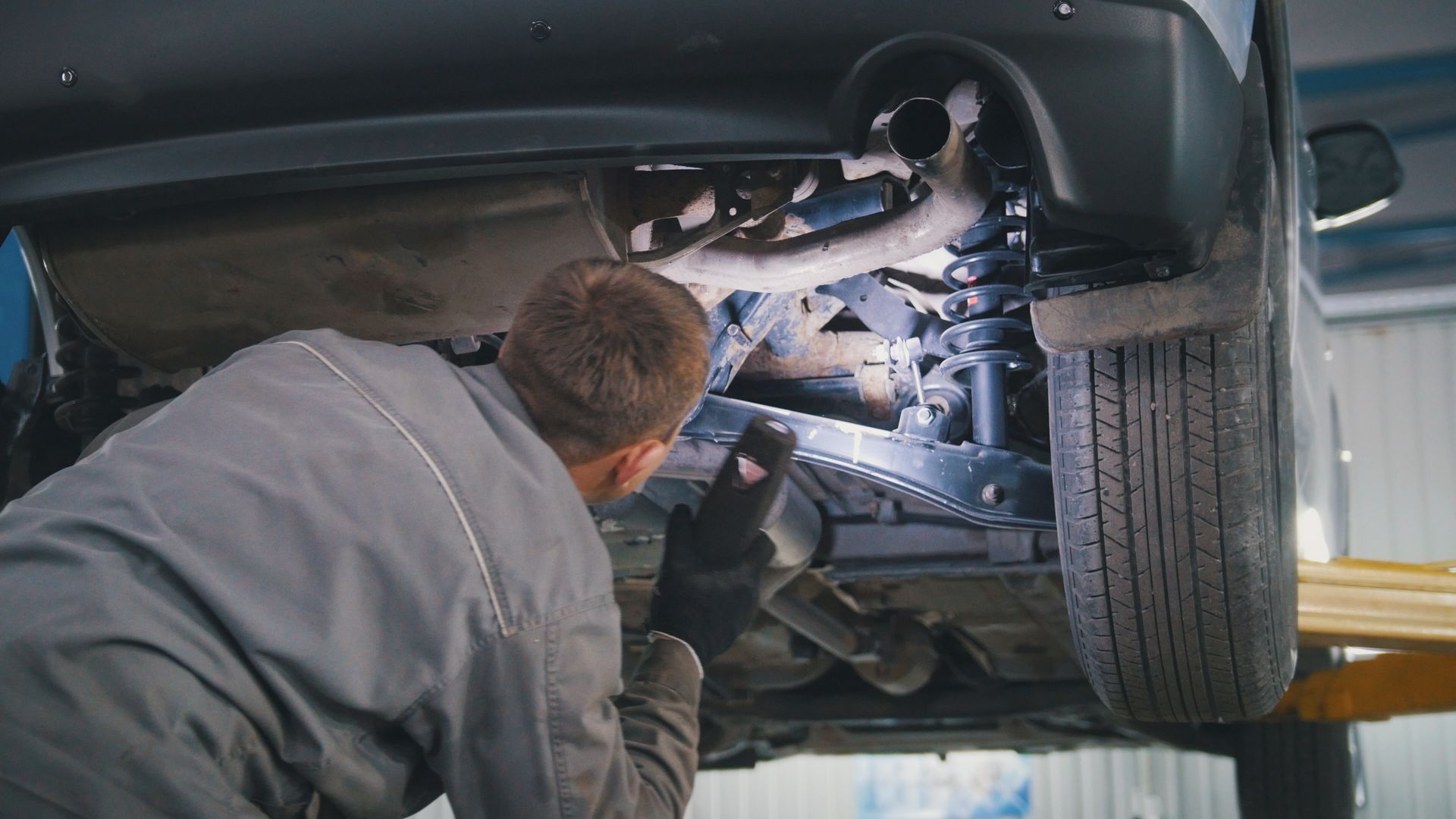
Independence Day trips are often short enough that drivers assume the car will be fine. But even a day trip can put a lot of strain on a vehicle if the weather is hot and traffic is heavy. That is why we always recommend checking the basics before heading out.
You do not need to overcomplicate it, but you do want to be confident about the essentials:
- Tire pressure and tread
- Brake feel and brake noise
- Engine oil level
- Coolant level and cooling system condition
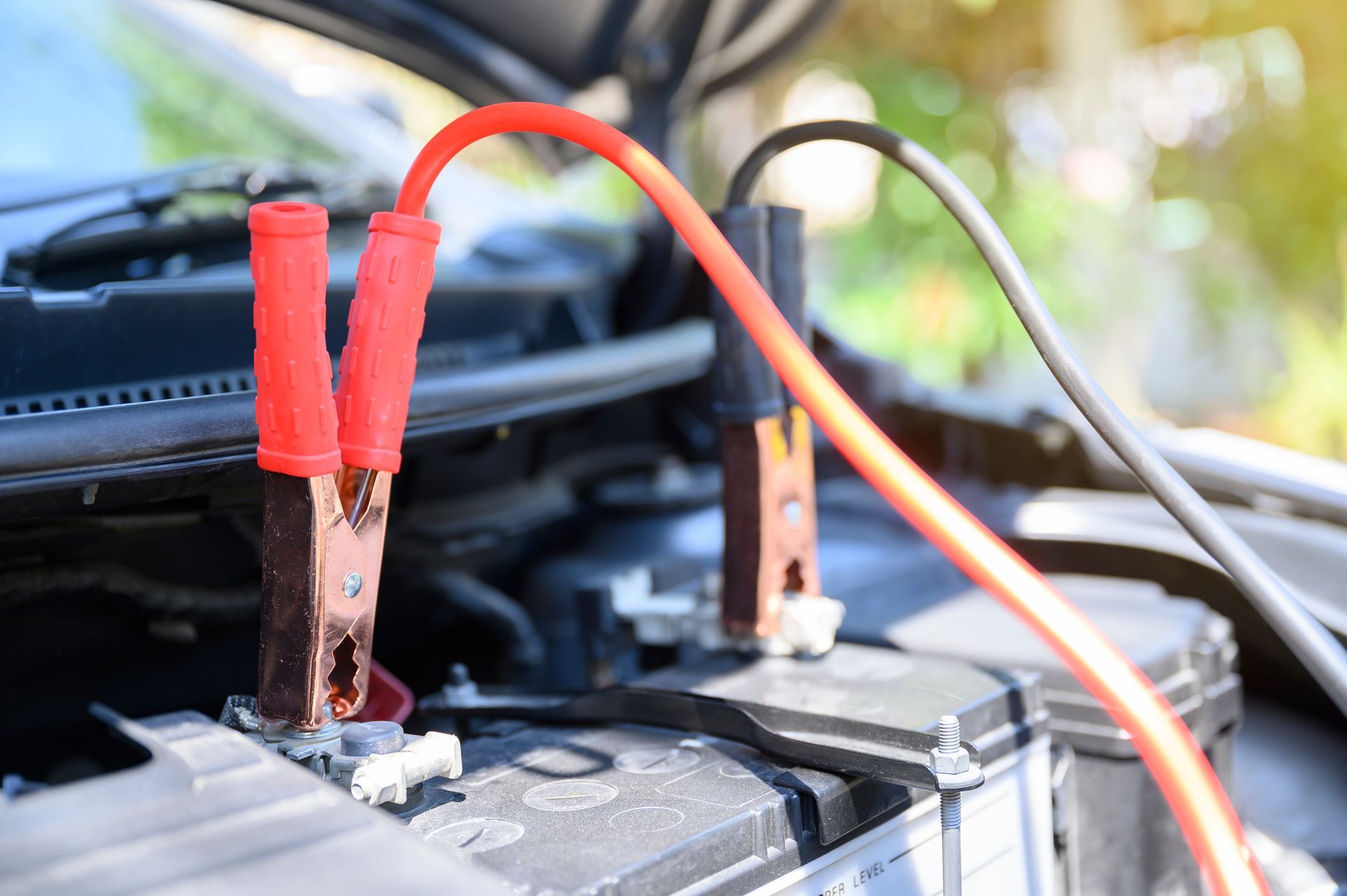
- Battery strength, if it has been weak
- A/C performance, especially if kids or pets are riding along
This is one of the easiest ways to avoid turning a holiday drive into a roadside delay.
Plan For Heat, Not Just Mileage
July driving can be tough on cars, even when the trip is not particularly long. Hot pavement, stop-and-go traffic, full passenger loads, and long idling all increase stress on the engine, cooling system, tires, and battery.
This is one reason we see overheating and battery trouble pop up during holiday travel. The vehicle may have seemed fine in everyday driving, but the combination of heat and traffic exposes the weak spot.
Drivers should also think about themselves here. Heat makes long delays feel longer, especially if the A/C is not working well. Bring water, keep your phone charged, and avoid starting a trip with a vehicle that has already been giving you cooling system or air conditioning hints.
Be Extra Careful After Dark
Independence Day driving often continues later into the evening than a normal trip. Fireworks, gatherings, and cookouts mean more nighttime traffic, more tired drivers, and, unfortunately, a higher chance of impaired drivers on the road.
That means evening holiday driving deserves more attention than usual. Visibility is lower, reaction time matters more, and unusual traffic patterns near events can create confusion quickly.
If you are driving after fireworks or later at night, stay especially alert for:
- Drivers making sudden lane changes
- Cars entering traffic from crowded parking areas
- Pedestrians near event spaces
- Impaired or erratic drivers
- Tired drivers drifting or reacting slowly
This is not the time to drive distracted or assume everyone around you is making great decisions.
Do Not Let Holiday Frustration Change How You Drive
Holiday traffic has a way of making calm drivers less calm. People cut in late. Parking gets messy. Roads near fireworks shows become crowded and slow. It is easy to start driving more aggressively without fully meaning to.
We always tell customers that boring driving is often the best holiday driving. Smooth acceleration, gentle braking, patience in traffic, and predictable lane changes are what get you there safely. Trying to win against holiday traffic rarely works, and it usually puts more stress on the vehicle, too.
Aggressive holiday driving also means:
- More brake wear
- More fuel use
- More heat in the engine and tires
- More risk during already crowded conditions
A calm driver usually has the better trip.
Watch For Fireworks Traffic And Parking Lot Chaos
One of the less talked-about parts of Independence Day driving is how messy traffic gets near events. After fireworks end, everyone tends to leave at once. Parking lots get backed up, drivers get impatient, and pedestrians may be walking between cars, across roads, or through dark areas where they are harder to see.
That means your focus should not end once you “get there.” In many cases, the most chaotic part of the trip is leaving.
Take it slow in parking lots and event traffic. Expect people to appear where they should not. Expect stop-and-go movement. And do not rush just because everyone around you seems eager to get out fast.
Keep Distractions Lower Than Normal
Holiday drives often include extra passengers, coolers, bags, directions, food stops, and more conversation than a regular commute. All of that adds distraction if you are not careful.
It helps to set up navigation before moving, keep essentials within reach, and avoid trying to manage too many in-car tasks while driving. If something needs attention, pull over when it is safe.
This is also a good day to keep the phone out of your hand completely. Holiday traffic changes too quickly for distracted driving to be worth the risk.
Give Yourself A Safer Way Home
One of the smartest Independence Day driving tips has nothing to do with the steering wheel. It is making a plan before the day starts. Know who is driving, when you expect to leave, and what your backup options are if you are too tired, traffic is worse than expected, or plans change.
That kind of planning sounds simple, but it prevents a lot of poor last-minute decisions.
A Good Holiday Drive Starts Before You Leave
At WNY One Stop Automotive in Tonawanda, NY, we look at Independence Day driving the same way we look at most seasonal travel: it goes better when you prepare instead of assuming everything will work itself out. The roads may be crowded, the weather may be hot, and the traffic may be frustrating, but a safe vehicle and calm driving habits still go a long way.
If you are planning to travel for Independence Day and want to make sure your vehicle is ready for the trip, bring it to WNY One Stop Automotive in Tonawanda, NY.