DPF and EGR problems usually build slowly, then show up all at once as a warning message, a power reduction, or a truck that suddenly feels heavier and less responsive. These systems are designed to cut soot and emissions, but they also depend on heat, flow, and clean operating conditions to stay healthy.
When one part starts slipping, the rest of the exhaust system often feels it.
What The DPF And EGR Systems Actually Do
The DPF, or diesel particulate filter, traps soot in the exhaust so it can be burned off during regeneration. That burn-off needs the right exhaust temperature and the right driving conditions, the soot load keeps climbing. When the soot load gets too high, the engine computer protects the system by limiting power and pushing the driver toward a regen or service event.
The EGR system routes a measured amount of exhaust back into the intake to reduce combustion temperatures and NOx emissions. It’s effective, but it also introduces soot and residue into areas that would otherwise stay cleaner. Over time, that residue can restrict passages, affect sensors, and contribute to airflow issues that make DPF performance worse.
Why DPF Problems Start In The Real World
A DPF is happiest when the vehicle sees regular highway runs, steady load, and enough heat to complete regens cleanly. Short trips, lots of idling, and stop-and-go routes make it harder for the system to reach and hold the temperatures it needs. The result is partial regens, more frequent regen requests, and a filter that loads faster than it should.
Fuel quality, engine condition, and maintenance choices matter too. Worn injectors, boost leaks, and a lazy thermostat can raise soot output because combustion is not as clean as it should be. This is why regular maintenance is not just about changing fluids on time; it’s about keeping the engine efficient, so the aftertreatment system has an easier job.
Common Causes Of EGR Restriction And Failure
EGR issues often come from soot and oil vapor building up where the flow is tightest. Valves can stick, coolers can clog, and passages in the intake can narrow until airflow is noticeably reduced. In many cases, the vehicle still starts and drives, but it feels sluggish, smokes more under load, or starts setting airflow-related codes.
EGR coolers can also develop internal issues, and when they do, you can see coolant loss, temperature-related warnings, or persistent drivability problems that do not respond to simple parts swapping. This is one of the reasons a proper inspection matters before replacing components, because the same symptom can come from very different failure paths.
Symptoms That Point To DPF Or EGR Trouble
Some diesel exhaust issues show up as obvious warning lights, but others appear as behavior changes that drivers write off as weather or bad fuel. Catching these early usually prevents a chain reaction where soot loads rise and the system gets forced into protection modes.
Here are signs that should not be ignored:
- Regens happening more often than they used to
- Power reduction, especially under load or on hills
- Fuel economy dropping without a driving change
- Strong exhaust smell after shutdown or longer fan run time
- Increased smoke, especially during acceleration
- Rough idle or hesitation paired with an exhaust-related message
If you notice repeated regen messages, do not keep resetting and hoping it goes away. The soot load and heat stress usually keep climbing in the background.
What Happens If You Keep Driving With These Issues
When the DPF cannot regenerate properly, backpressure rises. That makes the engine work harder to push exhaust out, which increases heat and stress on the turbo and exhaust components. At a certain point, the vehicle may limit power to protect the DPF, and that can make towing, merging, or even normal commuting frustrating.
EGR issues can make the intake dirtier, reduce airflow, and increase soot production, which feeds back into the DPF problem. It becomes a loop: restricted EGR and airflow create more soot, more soot loads the DPF faster, and the system struggles to keep up. Fixing it early often prevents expensive downstream repairs to sensors, turbo components, and the aftertreatment hardware.
Fixes That Actually Solve The Root Cause
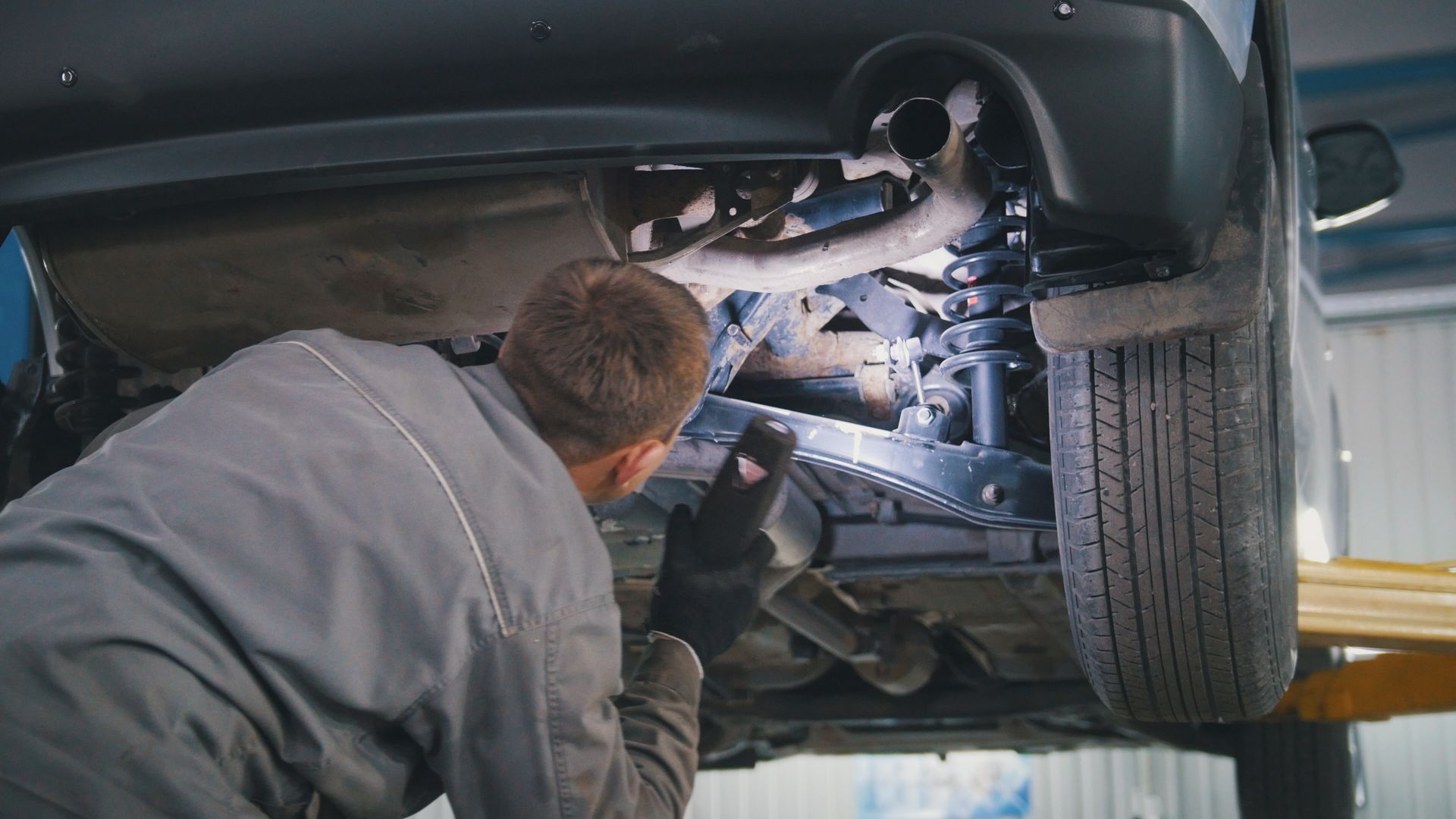
The right fix depends on accurate testing, not assumptions. We look at fault codes, soot load data, regen history, temperature readings, differential pressure signals, and airflow values to confirm what the system is doing. Sometimes the issue is a sensor lying, but just as often the sensor is reporting a real restriction that needs to be addressed.
Repairs may involve cleaning or replacing restricted EGR components, correcting boost or air leaks, addressing injector issues that raise soot output, or servicing the DPF when it’s beyond what regeneration can handle. The goal is to restore normal flow and regen behavior, then make sure the engine is running clean enough that the problem does not return quickly.
Prevention That Keeps The Exhaust System Healthy
Prevention is mostly about giving the system what it needs: heat, clean combustion, and the right operating conditions. If your driving is mostly short trips, build in longer runs when you can, and avoid extended idling unless it’s necessary for your work. Also pay attention to small drivability changes, because a minor fuel or air issue can push soot output up long before a warning message appears.
A good habit is tracking regen frequency and fuel economy over time. If regen starts happening more often with no change in route or load, treat that as your early warning. That’s the moment to schedule an inspection while the system is still recoverable, instead of waiting until the truck forces you into a limited-power situation.
Get Diesel DPF And EGR Service In Tonawanda, NY With WNY One Stop Automotive
If your diesel is regenerating too often, losing power, or triggering exhaust system warnings, the next step is to confirm whether soot load, airflow restriction, or a control component is driving the problem, then correct the root cause so it stays resolved. Schedule service with WNY One Stop Automotive in Tonawanda, NY, and we’ll test the system, review regen data, and recommend the repair that matches what your truck is actually doing.
You’ll get back to dependable power without the constant worry of the next warning message.