You pull into the driveway, everything feels normal, and then the next morning, there’s a fresh spot under the car. It’s a small thing that instantly turns into a bigger question, because you do not know if it’s harmless seepage or the start of a real problem.
Oil spots are frustrating because they often show up when the engine is off, not while you’re driving. That timing can make it harder to connect the leak to a specific moment, so the best move is understanding where overnight leaks usually come from and what clues to look for.
Why Oil Spots Appear Overnight
When you shut the engine off, heat stays in the engine bay, and fluids keep moving for a while. Oil that’s been circulating can drain back into the oil pan, and it can seep from a weak gasket or seal as pressure changes. Some leaks are worse right after shutdown because the oil is hot and thinner.
Gravity also works against you overnight. Oil can slowly travel along an engine surface, then finally drip when it finds a low point. That’s why the spot on the driveway doesn't always sit directly under the leaking part.
What Will You Notice First
Many oil leaks follow a predictable progression. Early on, you may only see a faint wet area during an inspection, with no spot on the ground. Then you might notice a burnt-oil smell after driving because a small seep is landing on a hot surface and burning off.
As the leak grows, you start seeing occasional drops after parking. Those drops turn into repeated spots, and eventually, you may need to top off oil between changes. If it gets far enough, the dashboard oil warning light may come on, or you may notice smoke under the hood after a drive.
Catching it at the occasional spot stage is usually the sweet spot. The repair is often simpler than when the leak has spread across the underside and contaminated other components.
Common Leak Sources That Leave Spots
There are a few places that commonly create overnight oil spots. The exact source depends on the vehicle, but these show up again and again:
- Valve Cover Gasket Seepage: Often starts as a light wet line and can drip down the engine block, sometimes creating a hot-oil smell.
- Oil Pan Gasket Or Drain Area Leaks: These tend to leave spots because they sit low. A worn gasket or an issue at the plug area can drip after shutdown.
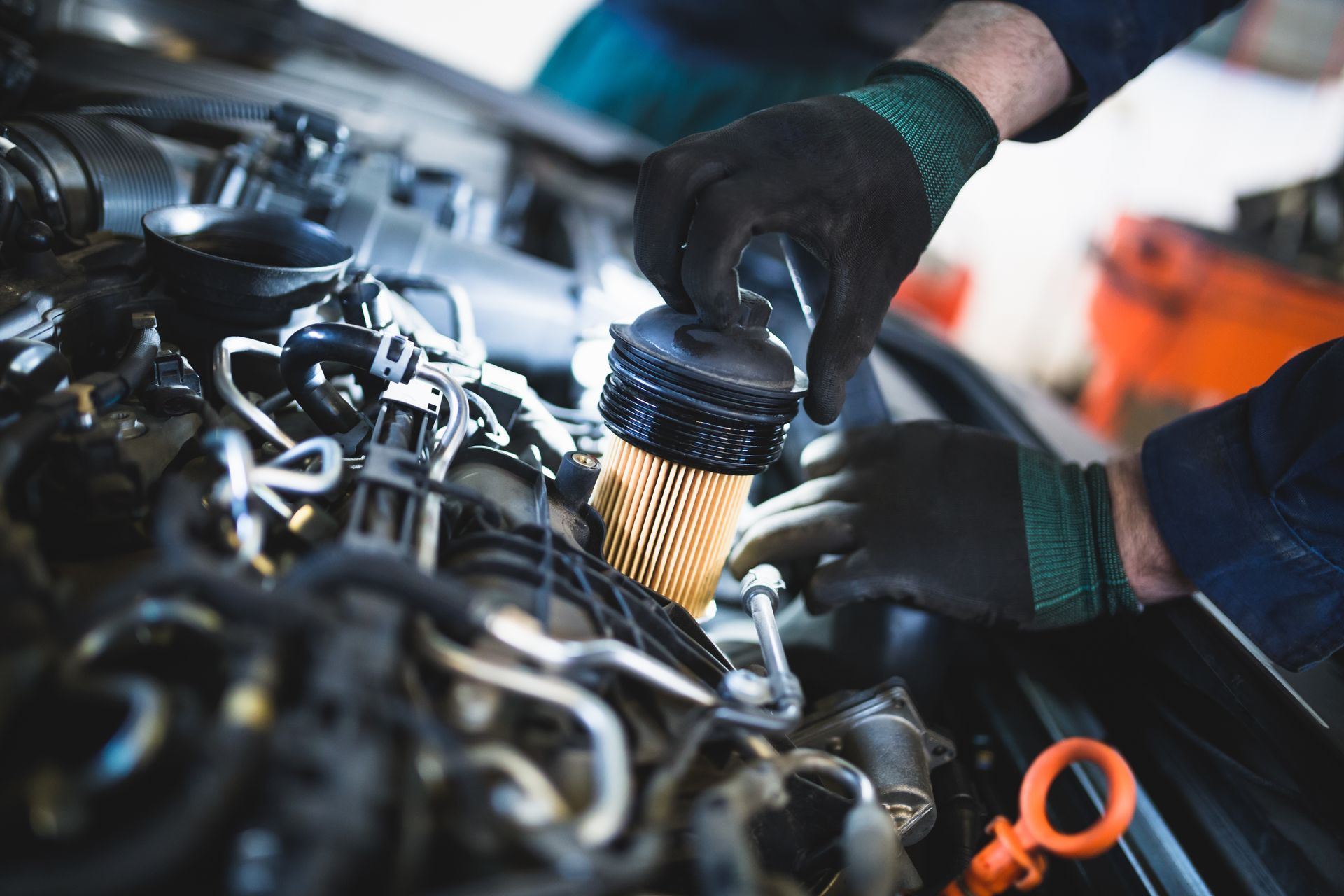
- Oil Filter Or Filter Housing Leaks: A loose filter, damaged seal, or housing gasket can spread oil quickly and create drips that look worse than they are.
- Front Or Rear Crank Seal Leaks: These can sling oil while driving, then drip later, sometimes showing up near the belts or the transmission area.
- Oil Cooler Or Line Seepage: Some engines have cooler seals or lines that can seep slowly and worsen with heat cycles.
In our shop, we often find that what looks like a simple oil pan leak is actually oil tracking down from higher up. That’s why cleaning and tracing matter.
Leaks That Don’t Drip Straight Down
One reason overnight spots are confusing is that oil likes to travel. Wind while driving can push oil rearward. Splash shields can catch oil, hold it, and then release it later as a drip in a different spot. Even engine covers and undertrays can act as slow drains.
You can also get a delayed drip if oil collects on a crossmember or bracket. It pools while you drive, then drops when the car is parked and the angle changes slightly. This is also why two spots in different places can still come from one leak.
When To Stop Driving And Get It Checked
A small spot does not always mean you have to tow the car immediately. But there are clear moments when it’s smarter to stop driving and get it inspected right away.
If you see a rapid drip that forms a puddle quickly, if the oil warning appears on the dashboard, or if you hear a new ticking or knocking that follows engine speed, shut it down. Those signs can indicate that the oil level or oil pressure is no longer where it should be.
Also, take it seriously if you regularly smell burning oil, see smoke under the hood after parking, or notice the leak suddenly getting worse after a recent service. A simple sealing issue can become a bigger mess if oil is landing on hot exhaust components or rubber parts.
What An Overnight Oil Spot Inspection Should Include
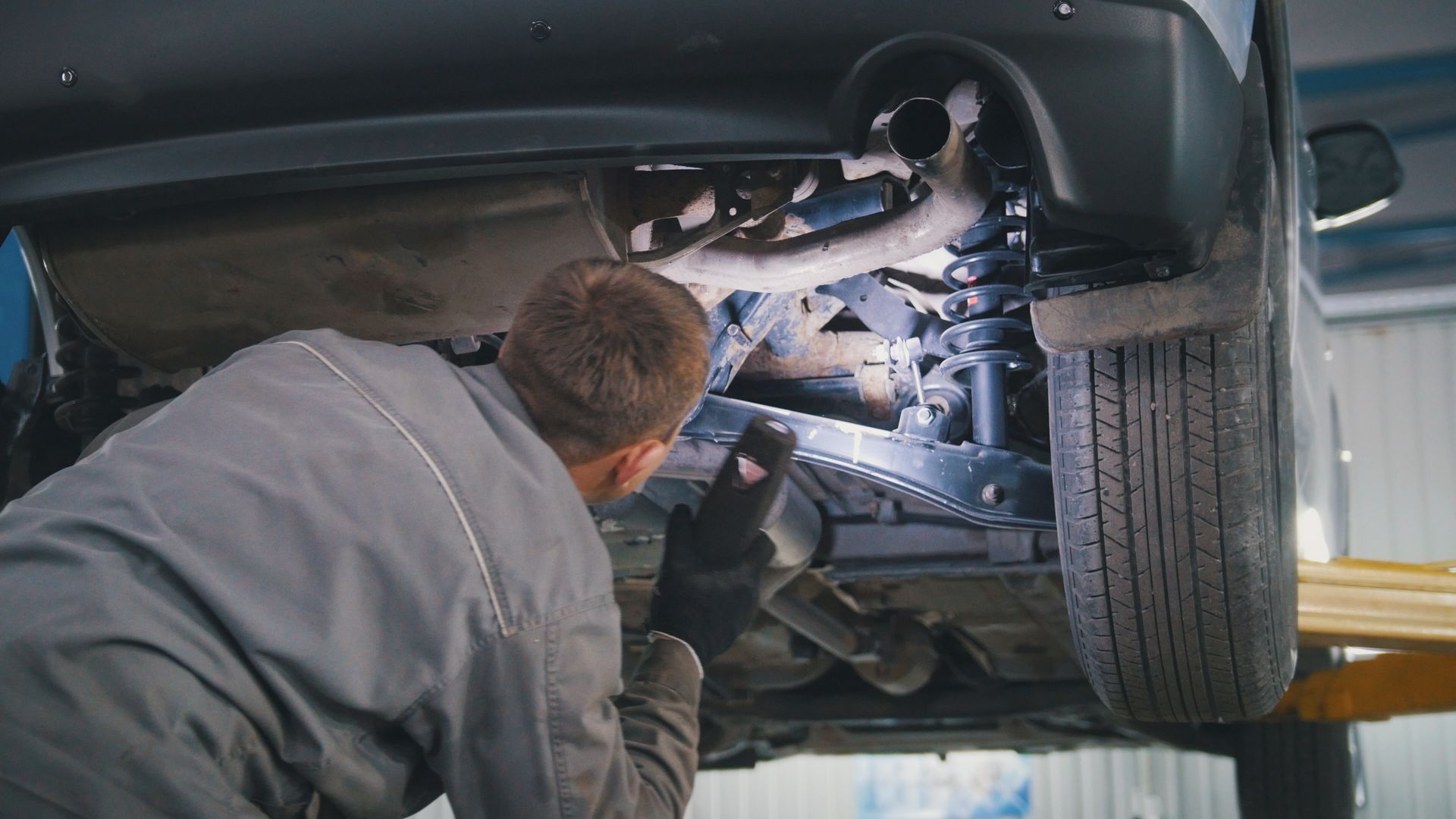
A good inspection is more than looking at the spot and pointing at the nearest gasket. First, the leak area is usually cleaned so fresh oil can be tracked. Then the likely leak points are checked from the top down, because gravity and airflow can make the lowest wet area misleading.
It also helps to confirm the oil level and verify that the correct filter and sealing surfaces are in place. Some leaks are caused by a double-gasketed oil filter seal or a damaged sealing ring that was disturbed during service. Others come from aged gaskets that finally started seeping after a long stretch of heat cycles.
If the leak is small and hard to catch, monitoring it with a clean baseline can make the source obvious within a short time. The goal is a clear answer, not a parts swap.
Get an Oil Leak Diagnostic in Tonawanda, NY, with WNY One Stop Automotive
We can inspect where the oil is coming from, trace the leak properly, and recommend the repair that actually stops the spots on your driveway. We’ll also check for related issues like oil on belts, hot surfaces, or splash shields that can make a small leak look worse than it is.
Call
WNY One Stop Automotive in Tonawanda, NY, to schedule an oil leak inspection and get it handled before it turns into a bigger problem.