Gasoline and diesel engines both turn combustion into motion, but they start that combustion differently. A conventional gasoline engine uses a timed spark. A conventional diesel ignites injected fuel in air heated by compression.
That difference changes the parts you maintain and the checks needed when starting becomes difficult. At WNY One Stop Automotive, we review the engine design instead of treating spark plugs and glow plugs as the same component. They're built for different jobs.
Spark Ignition in a Gasoline Engine
In a gasoline engine, air and fuel are brought together in the cylinder. The ignition system supplies high voltage to the spark plug, producing a spark across its electrode gap at the required moment.
The timing of that spark helps control the pressure created during combustion. Engine controls adjust operation based on speed, load, temperature, and other factors. Reliable ignition is one part of keeping the engine smooth and responsive.
Spark plugs wear as they work. Their electrode condition, gap, and contamination affect how readily they ignite the mixture. Replace them on the engine's schedule and based on plug design, and inspect earlier if rough running or hesitation develops.
Compression Ignition in a Diesel Engine
A diesel compresses air enough to raise its temperature substantially. Fuel injected into that hot air ignites, creating the pressure that pushes the piston down. The engine relies on adequate compression, cranking speed, and fuel delivery to begin running.
Cold weather makes that process more demanding. Cylinder surfaces absorb heat, the battery delivers less starting power, and colder oil increases resistance to turning. Heating aids support combustion while those conditions are less favorable.
Some diesels use glow plugs, some use intake heaters, and some combine heating functions. The exact equipment determines the service procedure. A diesel badge alone doesn't tell us which starting aid is fitted.
What a Glow Plug Does
A glow plug creates heat from electrical energy. It warms a region that helps fuel ignite during starting and early operation. The engine's control system manages that heating according to its needs.
Many modern systems continue heating after the engine starts. This supports smoother combustion and emissions control while conditions stabilize. A dashboard wait-to-start indicator therefore represents only part of the system's operation.
Use the starting method described in the owner's manual. Different engines control heating differently, especially across older and newer designs. Repeated key cycling or long cranking isn't a substitute for checking a heating system that has stopped working properly.
Spark Plug and Glow Plug Maintenance Differences
Spark plugs commonly have a scheduled replacement interval. Check it for your engine, since plug materials and operating demands vary. A gasoline car with overdue plugs needs a different plan than a diesel with a heating-fault issue. Glow plug service often follows test results, symptoms, and manufacturer instructions. Testing must respect the plug's voltage and control arrangement. Directly applying power with an improvised connection risks damaging a plug designed for a different supply.
Removal procedures also deserve care. Some glow plugs are hard to access or seize after years of use. We explain the findings and the work involved before replacement so you understand the plan.
Symptoms Of Gasoline Engine Ignition Problems
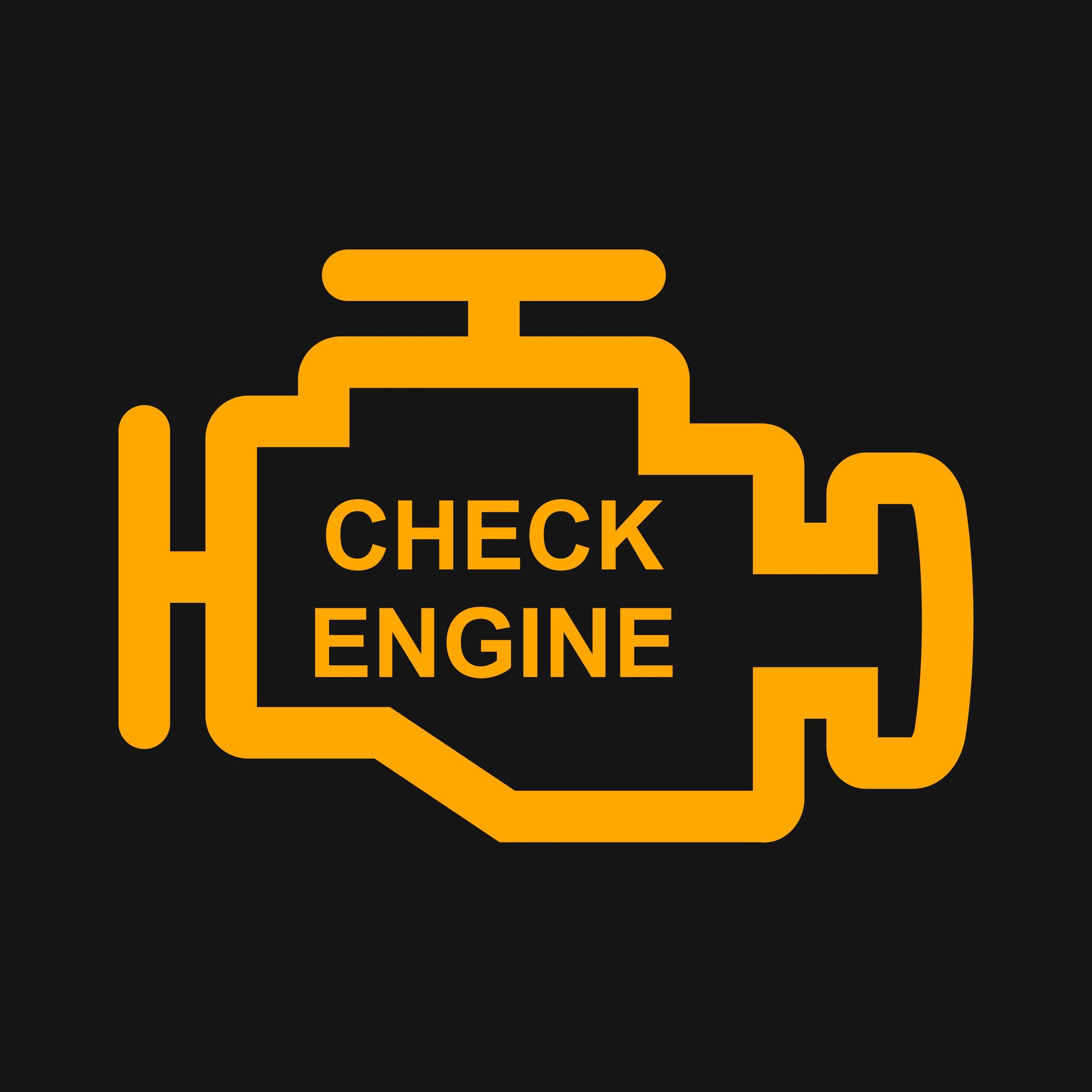
A worn spark plug or faulty ignition component often causes rough idle, hesitation, or misfiring under load. A flashing check engine light with shaking commonly warns of a misfire that can damage the catalytic converter.
Stop safely and arrange help if the engine is running severely rough or the warning flashes. Fuel that reaches the exhaust without burning correctly creates damaging heat. Addressing the cause promptly protects related components.
Ignition coils, wiring, air leaks, fuel delivery, and mechanical condition also need review when the findings point toward them. The symptom points to a combustion problem; testing shows which repair will fix it.
Symptoms From Diesel Heating or Starting Problems
Useful details for a diesel starting check include:
- Whether the engine turns slowly or normally
- Whether trouble appears only after overnight parking
- Rough running immediately after startup
- Smoke during the difficult start
- Glow-system or engine warnings
- Recent fuel filter or electrical work
Cold mornings in Tonawanda make that history particularly helpful. A diesel that starts easily once warm may need different checks from one that struggles throughout the day. Battery performance and fuel delivery belong in the review alongside the heating system.
Avoid using starting fluid unless the engine manufacturer expressly permits it. Glow plugs or intake heaters create a serious risk with ether-based products. Proper testing offers a safer route to finding the fault.
Keeping Gas and Diesel Engines Starting Reliably
Follow the engine's oil specification, filter schedule, and starting-system maintenance requirements. A healthy battery and sound connections help both engine types. Diesel fuel-system service and gasoline ignition service then follow their own needs.
Record when plugs, filters, or starting components were replaced. If the problem returns, the history gives us a useful starting point. A repeat failure deserves a look at the conditions affecting the part, not simply another replacement.
After repairs, verify the complaint under the conditions that originally caused it. A cold-start problem needs a cold check. That follow-up connects the repair with the improvement you expect on the next morning's drive.
Engine Starting-System Service at WNY One Stop Automotive
WNY One Stop Automotive in Tonawanda, NY, can review hard starting, ignition concerns, and diesel heating symptoms. Bring your maintenance records and describe when the trouble appears so we can discuss the tests and repair your engine needs.
Contact
WNY One Stop Automotive to arrange engine starting-system service before a difficult start becomes a no-start.